Camping Alone: Can a Perimeter Alarm Give You More Peace of Mind Off Grid?
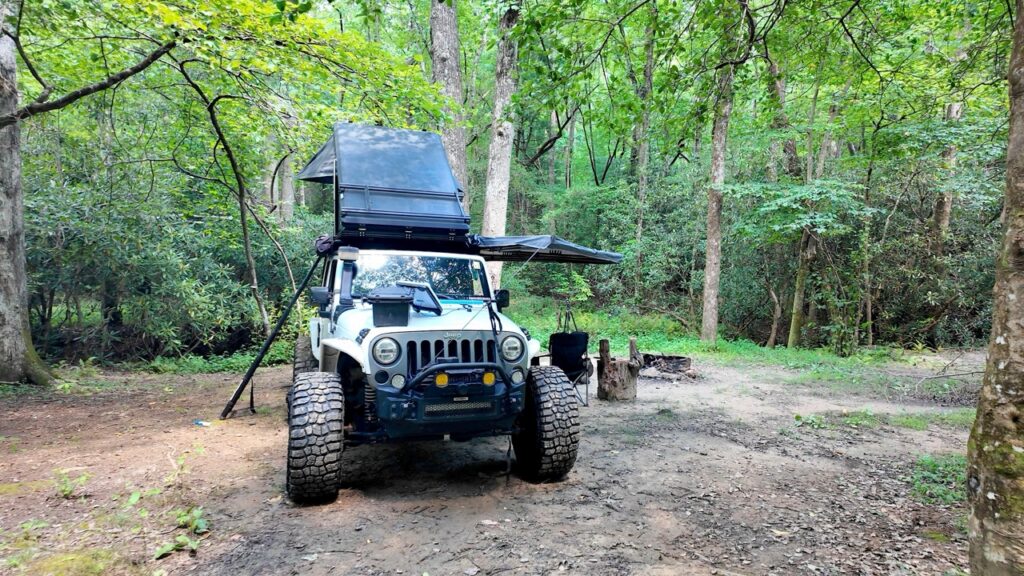
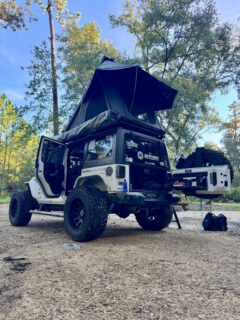
There is something incredibly peaceful about camping alone.
No crowded campground. No generators running three sites over. No headlights constantly pulling in and out. No neighbors.
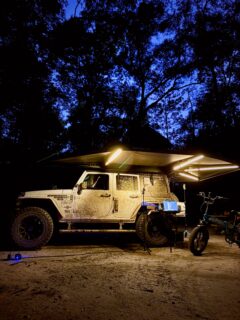
Just you, your rig and the woods. It’s one of the things I love most about dispersed camping and overlanding.
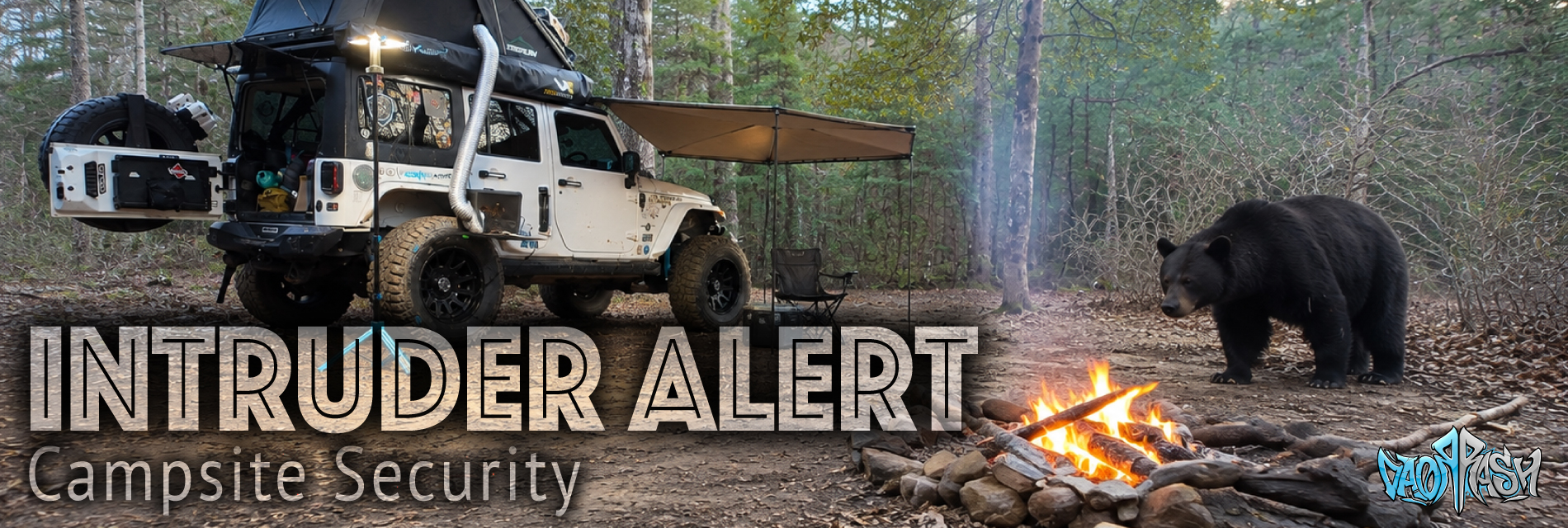
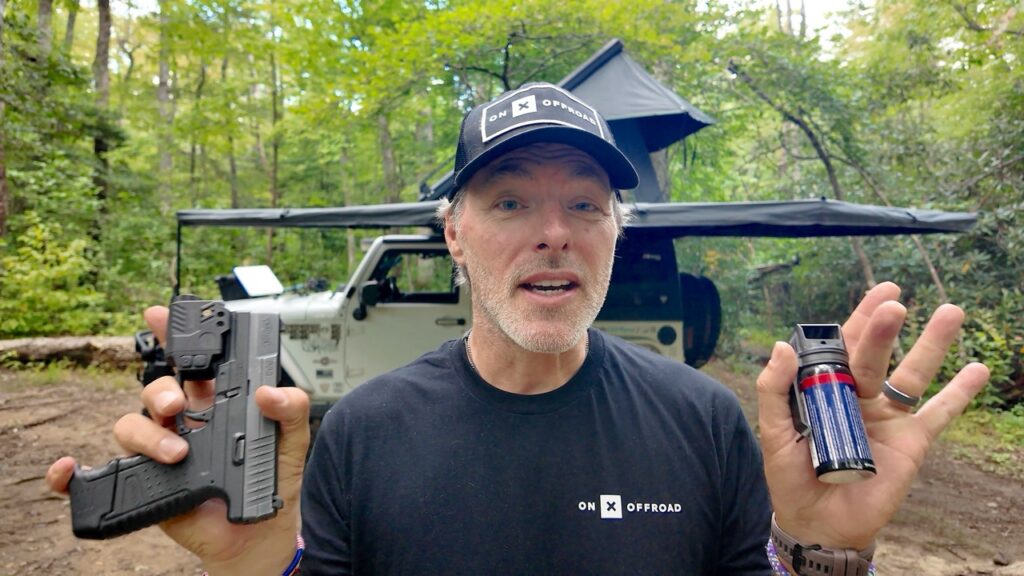
But there’s another side of camping alone that doesn’t get talked about nearly as much. At 2:00 p.m. in the afternoon, that secluded campsite in the middle of nowhere feels incredible. But at 2:00 a.m. in the morning, when you wake up because you heard footsteps outside your tent, it can feel very different.
Was that a deer? A raccoon? A bear? Did another vehicle just come down the trail? Or is someone walking around your campsite?
Most of the time, it’s nothing. But when you’re camping alone, your brain doesn’t always accept “probably nothing” as an answer. That’s why I was interested when LETWESAF sent me its Camping Perimeter Alarm System to try. Instead of another camping gadget, this addresses a problem I’ve actually thought about while spending nights off grid:
Can I know something has entered my campsite before it gets right beside my tent?
The Part of Solo Camping You Don’t Think About Until Dark
I love remote camping. Part of the adventure is finding that campsite miles away from civilization where you can shut the Jeep off and hear absolutely nothing. But isolation is a double-edged sword.
The reason the campsite is so peaceful is the same reason you need to be more self-reliant. There isn’t a campground host around the corner, and there may not be another camper anywhere nearby. After dark, your awareness changes.
A branch snaps and you listen. Something moves through the leaves and you listen harder. Headlights appear through the trees and suddenly you’re wondering who else is coming down that trail.
That’s not necessarily fear. It’s situational awareness. The problem is that maintaining that level of awareness all night doesn’t exactly make for a great night’s sleep. And that’s where the idea of a campsite perimeter alarm becomes interesting.
What Is the LETWESAF Camping Perimeter Alarm?
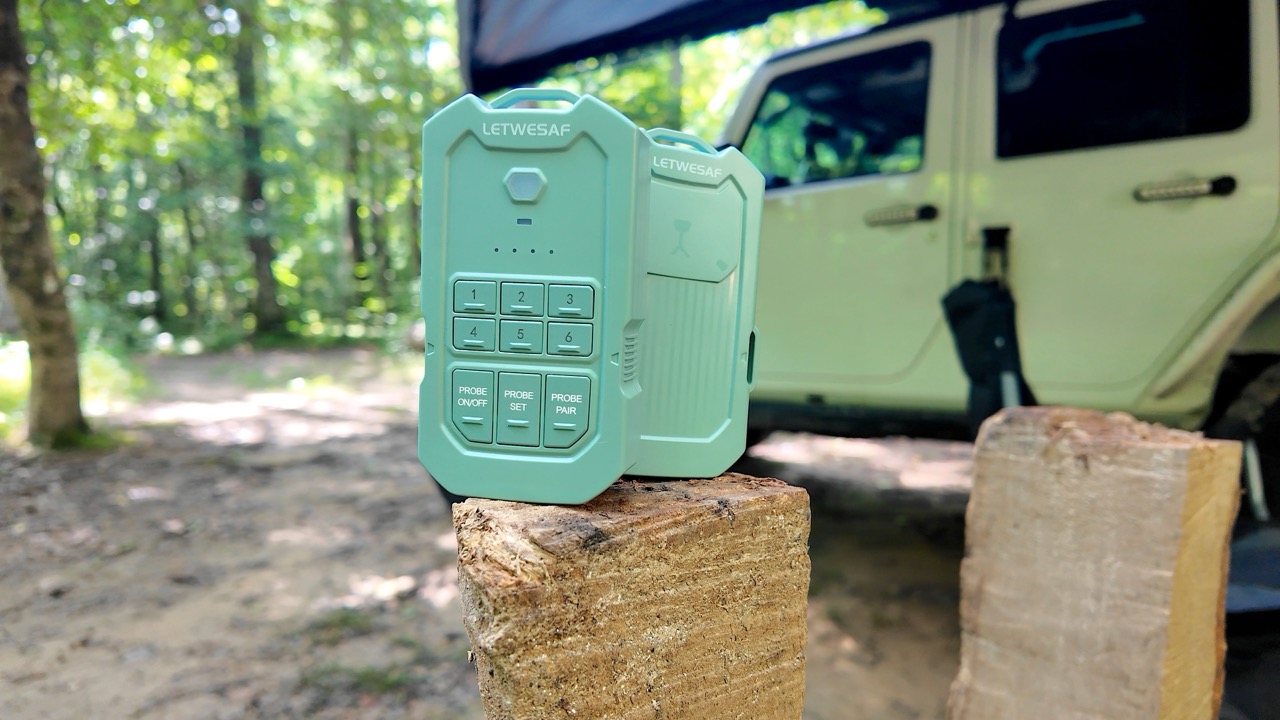
The LETWESAF system is essentially a portable early-warning system designed for outdoor environments. Instead of recording video like a security camera, the system uses 24GHz Frequency-Modulated Continuous Wave, or FMCW, radar to detect movement. That distinction matters.
Traditional motion sensors often use passive infrared technology, or PIR, which looks for changes in infrared radiation, often associated with body heat. LETWESAF instead sends radar waves and analyzes their reflections to detect movement and distance. According to LETWESAF, this allows the sensor to operate in complete darkness and detect movement through certain light obstacles such as tents and bushes.
For camping, there’s another significant advantage:
It doesn’t require Wi-Fi.
That’s important because many of the places where I would actually want a system like this are precisely the places where I don’t have reliable internet or cellular service.
Creating an Invisible Perimeter Around Camp
This is where I think the concept gets interesting for dispersed campers and overlanders. Rather than thinking about the LETWESAF as an alarm attached to your tent, think about establishing zones around the campsite.
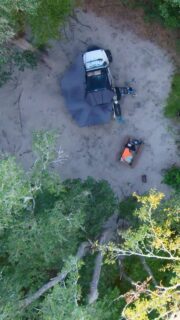
Imagine your Jeep and tent are in the center. There might be a forest road entering camp from one direction. A trail might approach from another. Behind the campsite could be dense woods.
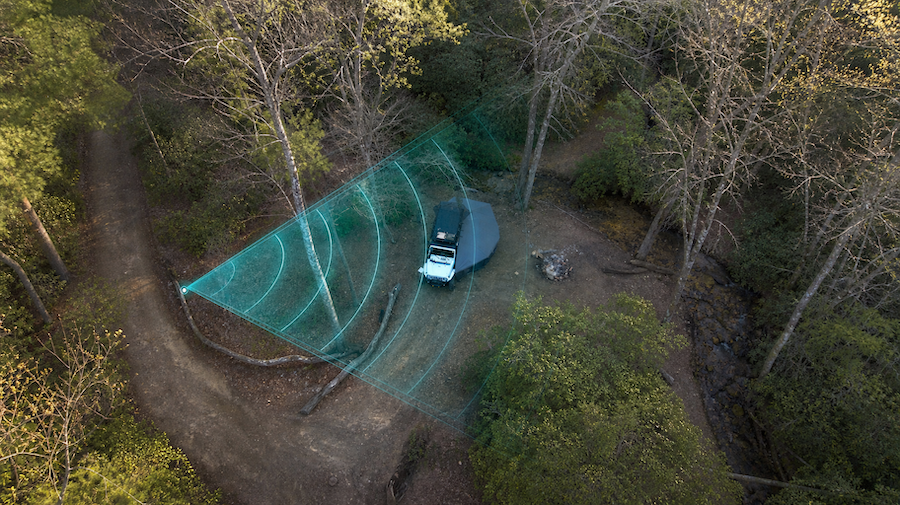
Instead of waiting until something reaches your tent, sensors can be positioned strategically around those approaches. When movement enters a monitored zone, the receiver alerts you.
It doesn’t tell you that a bear is approaching. It doesn’t identify a person. It isn’t a security camera.
It simply provides something extremely valuable… Information.
Something entered the area you’re monitoring. Now you’re awake, aware and able to determine what’s happening.
How Large of an Area Can It Monitor?
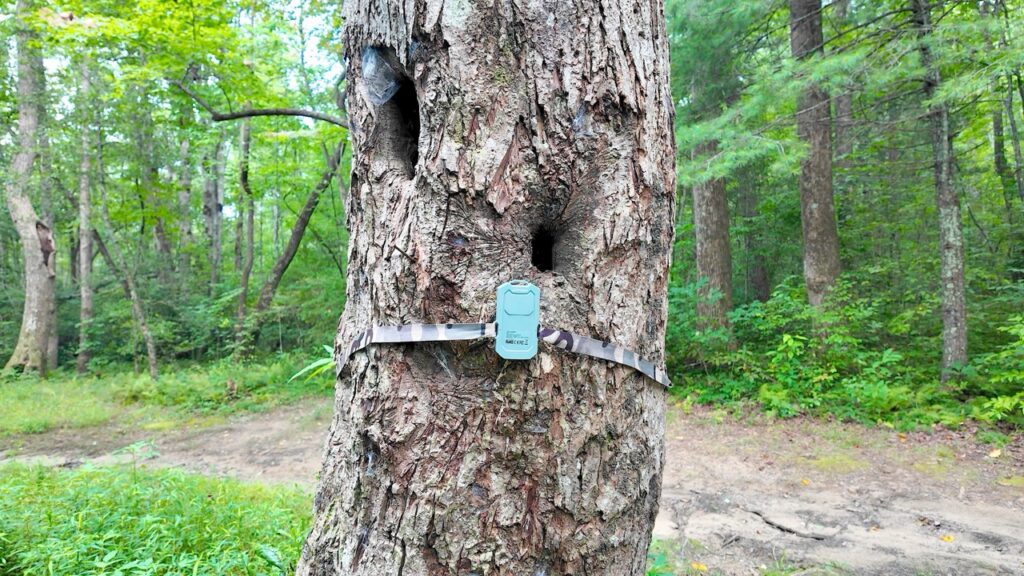
LETWESAF says its adjustable detection zones can cover approximately 17 x 20 feet up to 50 x 20 feet, depending on the configuration. The company lists the sensor’s maximum detection range at approximately 45–50 feet and says the wireless connection between the sensor and receiver can reach up to 800 meters, or roughly half a mile, under suitable conditions. Those are two different measurements that are worth understanding.
The sensor isn’t detecting a person half a mile away. The approximately half-mile specification refers to communication between the remote sensor and the receiver. The actual detection zone immediately around each radar sensor is much smaller. For a campsite, that’s actually what we want. We’re establishing specific monitored zones around camp rather than trying to monitor an entire forest.
Multiple Sensors Make the Concept More Interesting
A single sensor could be useful for monitoring an obvious approach to camp, such as the road you drove in on. But the system becomes much more interesting when multiple sensors are used. LETWESAF says one receiver can connect with as many as six sensors. That means you could potentially establish several monitored zones around your campsite and reduce the number of unmonitored approaches.
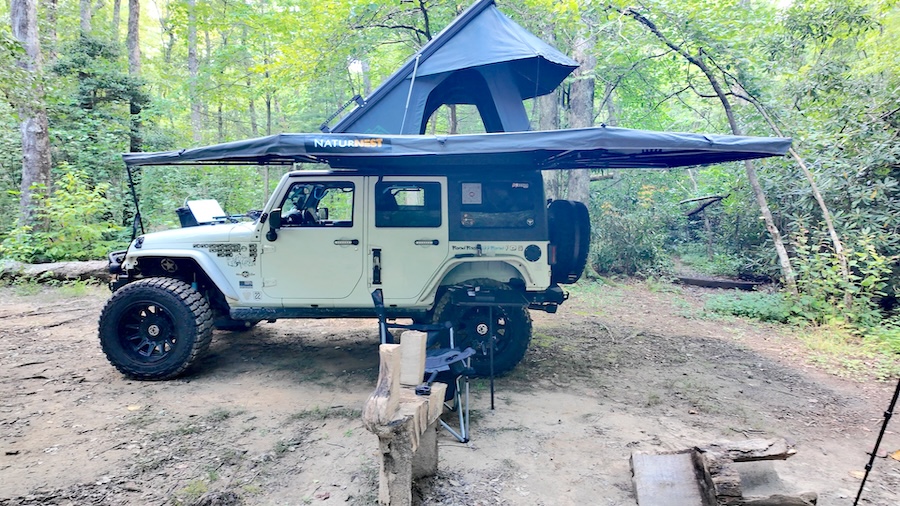
For my style of camping, I could see positioning sensors toward:
• The primary road or trail entering camp
• The passenger side of the Jeep
• A pathway leading toward the tent
• Another obvious approach through the woods
Exactly where you place them will depend entirely on the campsite. And that’s actually one of the things I like about the concept. You’re not installing a permanent security system. You’re looking at the environment, identifying where something is most likely to approach from, and adapting the system to that campsite.
Built for Off-Grid Camping
A camping security system isn’t particularly useful if it requires campground Wi-Fi. LETWESAF designed this system to operate independently of Wi-Fi or cellular service. The company states that each unit contains a 3000mAh rechargeable battery capable of operating for up to 48 hours, with support for solar charging for longer deployments. The sensors are also rated IP66 for resistance to dust and water. Those features make the system potentially useful beyond just weekend camping.
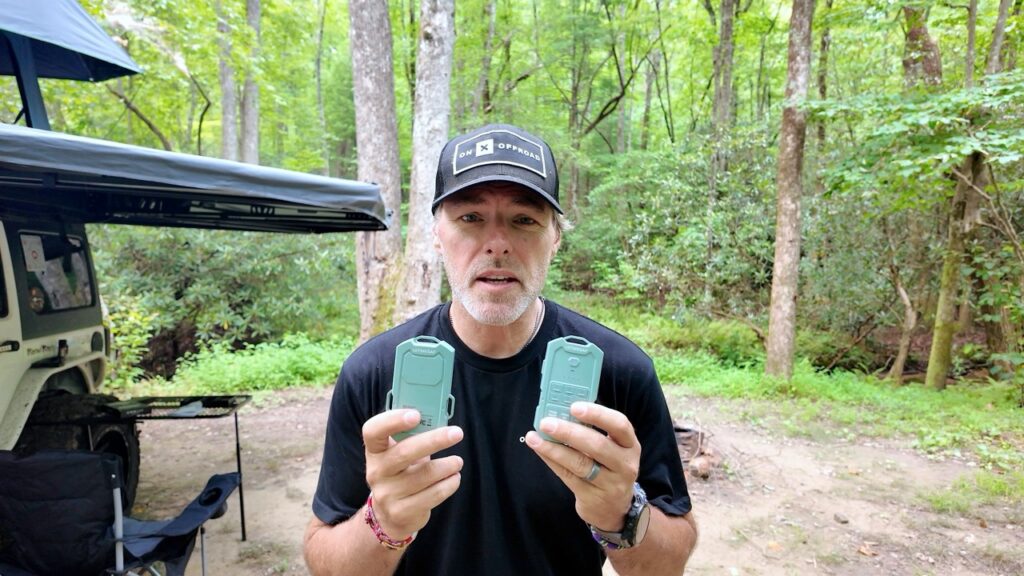
I could see applications for:
• Solo dispersed camping
• Overlanding
• Hunting camps
• RV and travel trailer campsites
• Base camps
• Remote equipment areas
• Longer off-grid trips
For an overlander, the portability is particularly important. When it’s time to leave, you pack the system up with the rest of camp and move on.
What Happens When Something Enters Camp?
This was the part I really wanted to experience for myself. It’s easy to read specifications on a product page. It’s completely different to set the sensors around an actual campsite and walk through the detection area.
Once the system is configured, entering the monitored zone triggers an alert at the receiver. That means the receiver can remain with you while the sensors are positioned farther away.
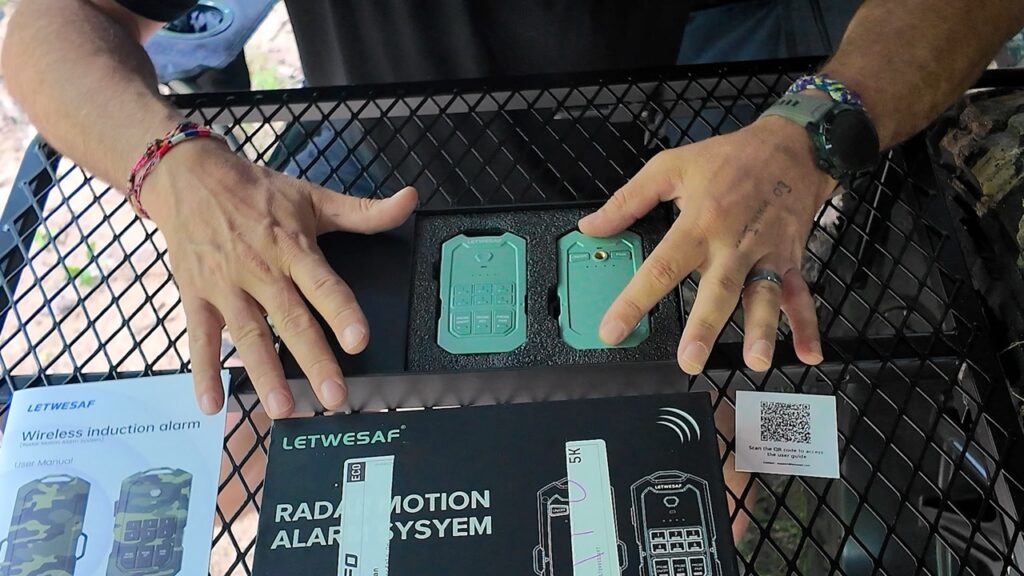
At night, that could mean keeping the receiver in your tent or rooftop tent while sensors monitor strategic approaches around camp. And I think that’s the real value of a system like this. It’s not about creating some impenetrable fortress in the middle of the woods. It can’t prevent someone or something from entering camp. Instead, it’s about early awareness.
What Could Trigger a Camping Perimeter Alarm?
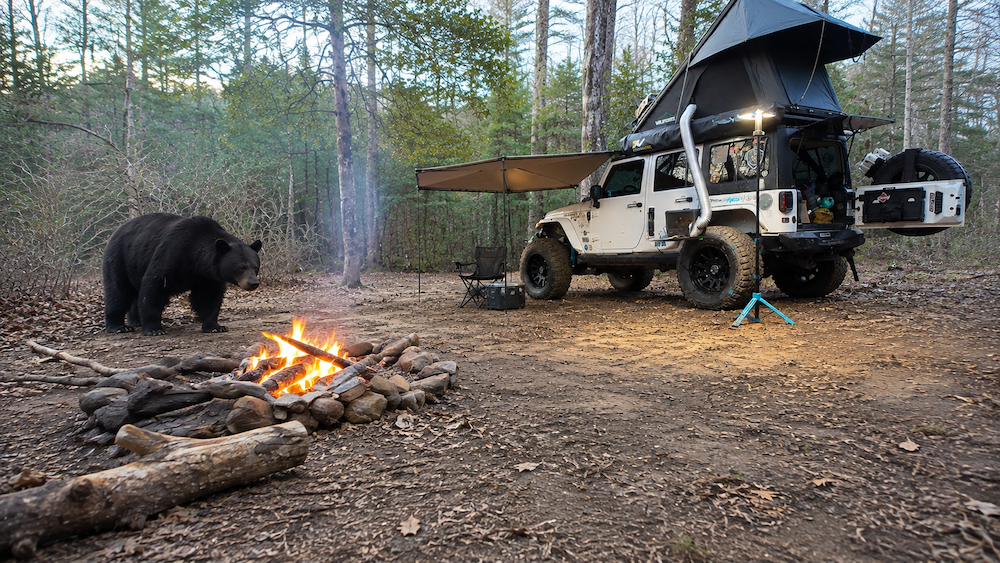
There are plenty of possibilities. A deer wandering through camp. A raccoon looking for the food you forgot to put away. Larger wildlife. Another camper walking through the area. Someone approaching your gear. Or potentially a vehicle entering a monitored approach.
The alarm itself doesn’t necessarily tell you what caused the detection. But instead of waking up because something is already beside your tent, the idea is that you receive an alert when movement enters the area you’ve chosen to monitor. That extra warning is what makes the concept valuable to me.
Does This Make Solo Camping “Safe”?
No piece of gear can do that. And I think that’s an important distinction. Technology should complement good judgment, not replace it.
Choosing a campsite carefully, maintaining awareness of your surroundings, securing food appropriately, checking weather conditions, having reliable communication equipment when possible, telling someone where you’re going and understanding the area you’re traveling through are all still important.
A radar sensor doesn’t replace any of those things. Think of a campsite perimeter alarm as another layer. We carry recovery equipment because vehicles get stuck. We carry communication devices because cell phones don’t always work. We carry first-aid equipment because accidents happen.
A perimeter alarm addresses a different problem:
What’s happening outside my campsite while I’m sleeping or distracted?
Who Is the LETWESAF System Really For?
If your idea of camping is pulling into a busy KOA surrounded by 100 other campers, this might be unnecessary. But that’s not how everyone camps. If you routinely find yourself driving miles down forest roads looking for an isolated campsite, the equation changes.
I think this product makes the most sense for:
Solo campers who want additional awareness at night.
Overlanders spending consecutive nights in unfamiliar remote locations.
Dispersed campers who frequently camp outside developed campgrounds.
Hunters establishing remote base camps.
RV travelers who occasionally overnight away from developed facilities.
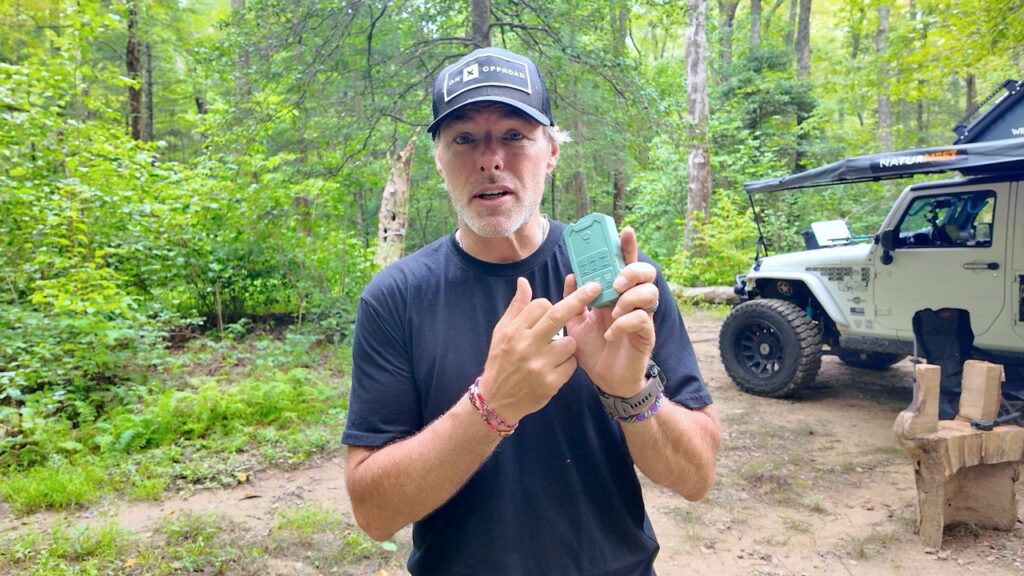
And potentially anyone who simply sleeps better knowing they’ll receive an alert when something enters a predetermined area around camp.
If you are interested in trying out the LETWESAF for your overlanding adventures, click here: LETWESAF Camping Perimeter Alarm.
Watch the Full LETWESAF Camping Perimeter Alarm Test
I took the LETWESAF system into an actual campsite, set up a perimeter and tested how it works in a real-world camping environment.
Watch the complete video below to see the setup, sensor placement, detection testing and how I would incorporate a perimeter alarm into a solo overlanding campsite.
Learn more about the LETWESAF Camping Perimeter Alarm:
Disclosure: LETWESAF provided the product featured in this article/video. The opinions and experiences presented are my own.
Related Topics
Solo camping safety • dispersed camping security • camping perimeter alarms • overlanding security • campsite security systems • radar motion detectors • off-grid camping gear • solo overlanding • camping safety gear